If you’ve ever watched The Bear, you know that a high-end kitchen isn’t just a workspace; it’s a pressure cooker of ego, sweat, and very sharp knives. There’s a moment in every service where the “Corner!” calls and the “Yes, Chef!” replies reach a point of critical mass. In that chaos, a fundamental philosophical truth emerges, one that has absolutely nothing to do with how you sear a scallop and everything to do with how you build a team.
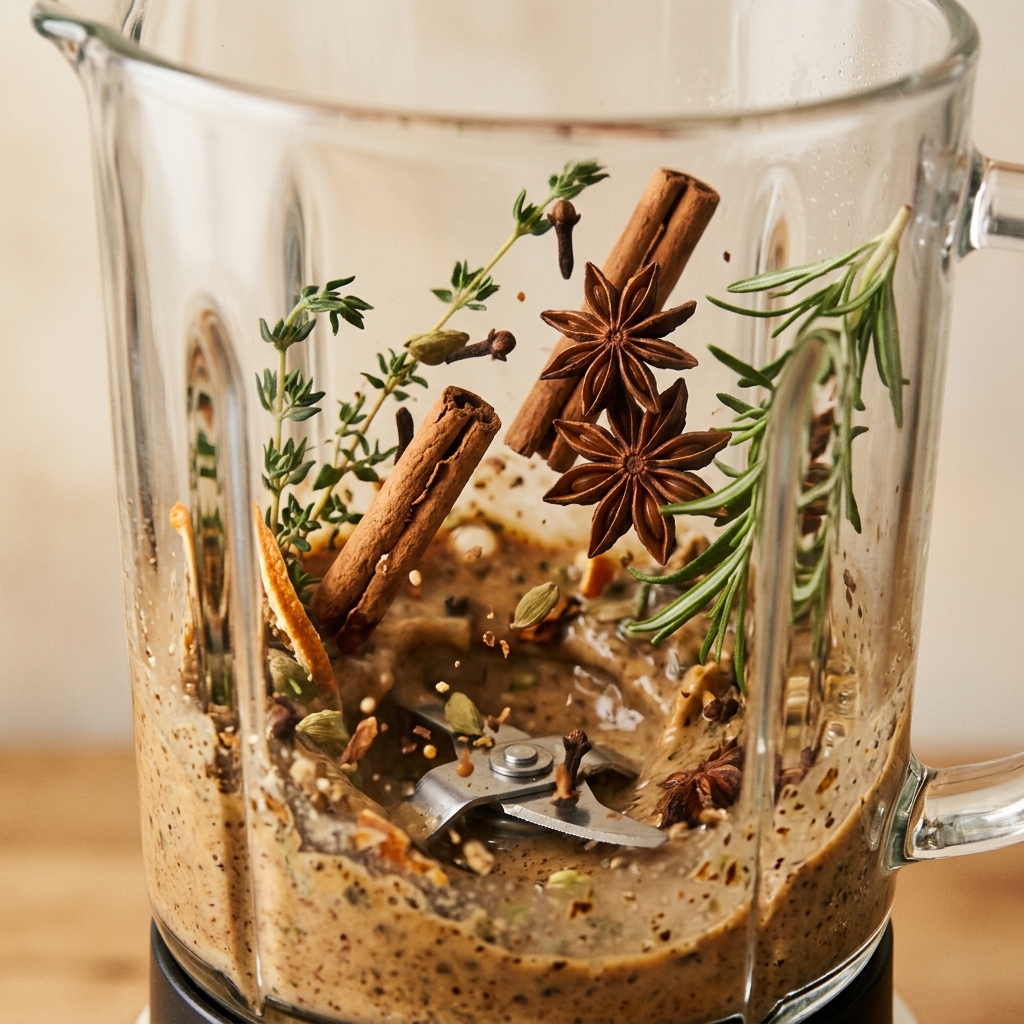
Before the “Hands!” and the “Heard!”, there is only the raw potential of the ingredients. To the uninitiated, cooking is just a sequence of actions—chopping, searing, reducing. But to the seasoned pro, it’s an exercise in alchemy. It’s the understanding that while a dish is comprised of individual parts, its soul is found in the transition from parts to whole.
This is the essence of teamwork.
The Tyranny of the Single Ingredient
Think of the “Rockstar Developer” or the “Visionary Founder” as a singular, world-class ingredient. They are the white truffle unearthed from the deepest forests of Piedmont. They are the Madagascar vanilla bean that costs more than your first car. In isolation, they are marvels of nature. They are spectacular.
But as Remy famously explains in Ratatouille, “Anyone can cook, but only the fearless can be great.” And real greatness doesn’t come from being a lone wolf.
A single ingredient, no matter how superior, is structurally incapable of providing a complete experience. If you rely solely on one dominant component, you don’t create a masterpiece; you create an imbalance. You create a dish that tastes like raw garlic—overpowering, abrasive, and ultimately, something nobody wants to finish.
The Secret of the Blend
The magic happens in the and. It’s the salt and the fat. The acid and the heat.
A great meal (and a great project) is the result of deliberate, often invisible blending. It’s like The Avengers. Sure, Iron Man is cool and Thor is a literal god, but they’re just expensive ingredients until they learn how to work together. Captain America is the salt that brings out everyone else’s flavor. Black Widow is the acid that cuts through the noise.
In a high-performing team, the goal isn’t to stand out. It’s to contribute a specific note that makes the entire composition sing. When a chef tastes a sauce and realizes it needs more “brightness,” they aren’t looking for one ingredient to take over. They’re looking for the one that makes the others taste better.
In your life as a builder, are you trying to be the most intense flavor in the room, or are you the one that makes the whole team taste like a three-star Michelin experience?
Perfection is a Process of Integration
No matter how good a meal can be, it ultimately depends on two factors: the quality of the individual ingredients and the skill of the transition.
- Selection: You cannot hide poor ingredients. As Jon Favreau learns in Chef, it doesn’t matter how fancy your plating is if the heart of the dish is lacking. If the data is bad, the AI model will be bad. If the team members lack core competency, the project will fail. You start with the baseline of excellence.
- Harmonization: This is where the leader-as-chef comes in. Their job isn’t to do the cooking, but to ensure that every “ingredient” is added at the right time, in the right proportion, and treated with the right amount of heat.
Next time you sit down to a meal that makes sense—where every bite feels intentional and complete—don’t just thank the chef. Think about the spices that went unnoticed but changed everything. Think about the hours of prep that made the final minute possible.
Excellence is never a solo act. It’s the quiet, beautiful blending of parts that knew they were destined for something bigger. So, clear your station, sharpen your knives, and for the love of all that is holy: don’t be the raw garlic.